What Property Investors South Wales Want in Terraces
A plain guide to what property investors in South Wales look for in terraced stock, from yield and condition to tenancy and street.
Fast Track Insight · Options, honestly compared · 1 September 2026
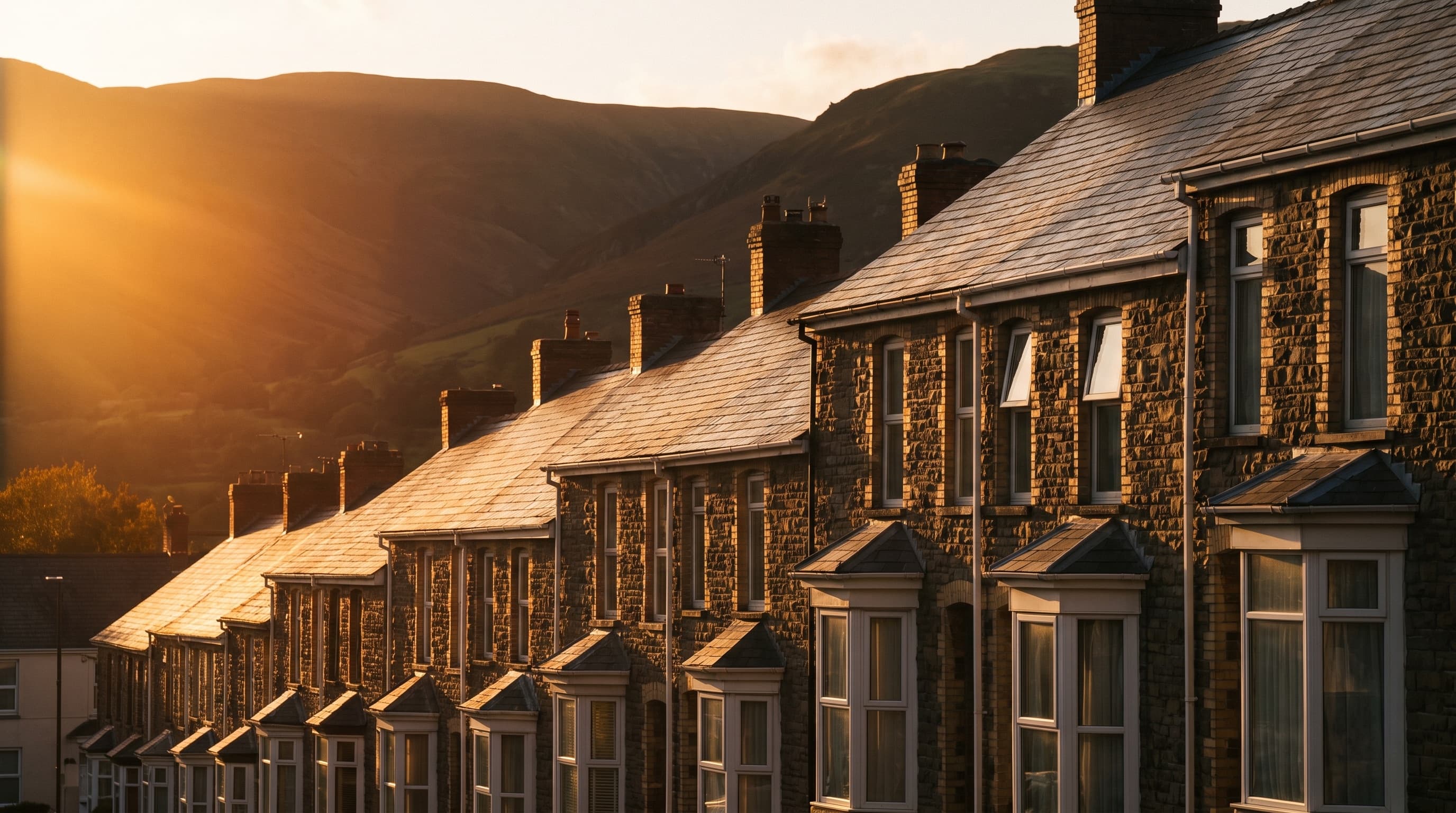
If you own a terraced house in the Valleys and you are thinking about selling, it helps to understand how investors actually assess your property. Whether you sell to us, to another buyer, or through an estate agent, knowing what the market values means you can price sensibly and avoid nasty surprises.
We buy homes across the South Wales Valleys, and we work with landlords and investors every week. Here is an honest look at what property investors in South Wales weigh up when they look at terraced stock, and what that means for you as a seller.
Yield comes first, not kerb appeal
Most investors buying terraced houses in the Valleys are chasing rental yield. That is the annual rent as a percentage of what they pay for the property. A house that looks tired but rents well can be far more attractive to an investor than a pretty home in an area where rents are soft.
This is the biggest difference between an investor buyer and an owner-occupier. A family buying to live in a house cares about the kitchen, the garden and whether they can picture Christmas there. An investor cares about the sums.
The rent-to-price relationship
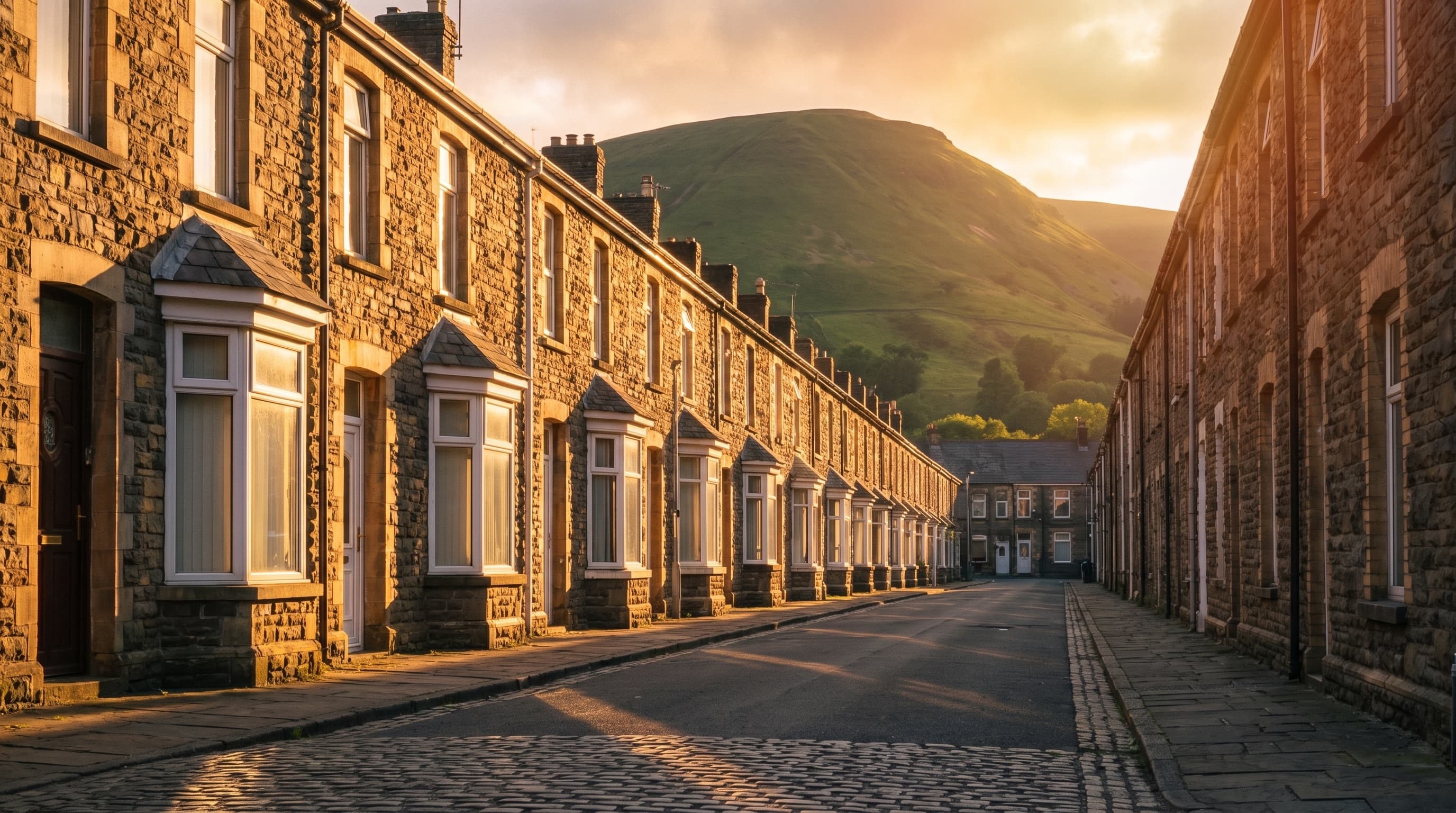
Terraced streets in places like Aberdare, Treorchy, Merthyr and the Rhondda have long been popular with landlords precisely because purchase prices have historically been modest relative to achievable rents. That relationship is what draws capital in.
If you want a grounded sense of where terrace values actually sit, our post on Valleys house prices 2026 sets out what these homes really change hands for.
Condition and the cost to make it lettable
Investors do not expect a terrace to be perfect. Many are actively looking for a project. But they will always work backwards from the money.
They ask a simple question: what will it cost to bring this house up to a rentable standard, and does the purchase price leave enough room for that plus a return?
The things that move the number most
- Roof condition and any signs of water getting in
- Damp, especially rising or penetrating damp in older solid-wall terraces
- The state of the electrics and whether a rewire is needed
- Heating: an old or absent central heating system
- Windows, particularly single glazing or rotten timber frames
None of these are dealbreakers on their own. What matters is the total. An investor totting up a full rewire, a new boiler and a roof repair will simply factor that into what they offer.
EPC and the direction of regulation
Energy efficiency has become a serious part of any landlord's thinking. Older terraces with solid walls and poor insulation can be harder and costlier to bring up to standard, and rules in this area have tightened over the years and may tighten further.
An experienced investor will look at the EPC rating and think about what future compliance might cost. A very low rating on a hard-to-treat property can pull an offer down, because the buyer is pricing in work they expect to have to do.
If your terrace already has a reasonable rating, or has had cavity insulation, loft insulation or a modern boiler fitted, that is genuinely worth mentioning.
Location, right down to the street
Investors think about the Valleys in fine detail. Two streets that look similar on a map can perform very differently.
What they actually check
- Distance to the railway station and the commute to Cardiff
- Parking, which is a real issue on many terraced streets
- Whether the street floods or sits near a watercourse
- Local demand from tenants, including proximity to schools and shops
- The general upkeep of neighbouring properties
A well-kept street with easy transport links and off-street or reliable on-street parking will always attract more interest than an isolated row with a poor commute. Our team have walked most of these streets, and the difference in demand is real.
Tenants in place: help or hindrance?
If your terrace is already let, that can cut both ways.
For a hands-off investor, a reliable sitting tenant paying market rent is a bonus. It means income from day one with no void period. For an investor who wanted to refurbish first, or for an owner-occupier, a tenancy is an obstacle.
If you are selling a let property, gather your paperwork early: the tenancy agreement, deposit protection details, gas safety certificate, EPC and a rent record. A buyer who can see everything is in order will move faster and worry less. We cover the practicalities of this in more detail on our page about selling a tenanted property.
Freehold, leasehold and boundary quirks
Most Valleys terraces are freehold, which investors prefer. Where a property is leasehold, or where there are shared access rights, party wall matters or an unusual boundary, expect questions.
Old terraces sometimes have rear lanes, shared yards or informal arrangements that were never properly documented. None of this is fatal, but it can slow a sale and it will make a cautious buyer more careful with their offer. Being upfront about anything unusual saves everyone time.
What this means if you are the seller
Understanding the investor view helps you make a calm decision rather than a rushed one.
Decide what matters most to you
If your priority is the highest possible price and you have time to wait, listing on the open market to reach owner-occupiers may serve you well, because a family buyer is not pricing in a refurbishment. If speed and certainty matter more, for example because you have inherited a property you cannot maintain or you are dealing with a change in circumstances, an investor sale can be quicker and less stressful.
A house that needs work is exactly the sort of property investors compete for, and our page on selling a property that needs work explains how we handle those homes.
Get the paperwork ready
Whatever route you choose, having documents to hand speeds everything up. Title, EPC, any warranties or guarantees for recent work, and tenancy paperwork if the house is let.
Do not overspend to impress
As the callout above says, cosmetic spending rarely pays back when the buyer is an investor. Fix genuine safety issues, keep the place clean and let the numbers speak.
A word on getting proper support
If the reason you are selling is financial pressure, please get free independent advice before you commit to anything. Citizens Advice can help with debt, and Shelter Cymru offers free housing advice across Wales. Good advice costs nothing and can open up options you had not considered, including ways to stay in your home.
Selling is one route, not the only route, and a fair buyer will never rush you past that point.
Talk to us
If you own a terraced house anywhere in the Valleys and you want a straight, no-pressure view of what it might be worth to a buyer like us, we are happy to help. We will explain how we reached our figure and there is no obligation to accept it.
Get in touch through our contact page for a free, no-obligation offer, or call us on 029 2271 6663 for a plain-English conversation about your options.